Identify Your Paistes
It is not uncommon for people to come across Paistes that are not completely identifiable. This includes vintage cymbals which the ink stamped logos and labels have been removed or faded. More modern cymbals can be rendered ambiguous if cleaned improperly.
This page includes points used to identify cymbals that do not have proper labeling that has survived.
Please note that for this conversation, the term "embossed" refers to anything pressed into the metal of the cymbal, and the word "stamped" refers to any wording applied in ink. In other arenas these terms may not be used in the same way.
Alloys
There are several alloys used in the production of Paistes. The easiest way to determine the alloy of an unknown cymbal is visually. However, the colour may be difficult to judge in digital photographs. It is recommended that when trying to identify a cymbal that it be done in person. Comparing to a cymbal of a known alloy is helpful if one is not familiar with the hues of the different alloys.
The formulae noted below refers to the amount of tin is mixed in with the main metal ingredient, copper. So, the B8 formula would be 8% tin to 92% copper, for example. The Brass and Nickel-Silver alloys differ slightly from this formula scheme.
B15 (Signature) Alloy
B15 or Signature alloy can be identified by lusterous yellow colouration. Like all bronze, a blue/green oxide will be found when exposed to excessive moisture. This cupric oxide is what gives the Statue of Liberty it's characteristic colour.
Series that use this alloy: Signature, Signature Dark Energy, Signature Traditionals, and Visions (certain models).
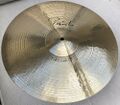
Signature
- Paiste Signature Dark Energy 17 Dark Crash.jpg
Signature Dark Energy
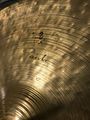
Signature Traditionals
- Paiste Visions 13 Heavy Hi Hat.jpg
Visions


